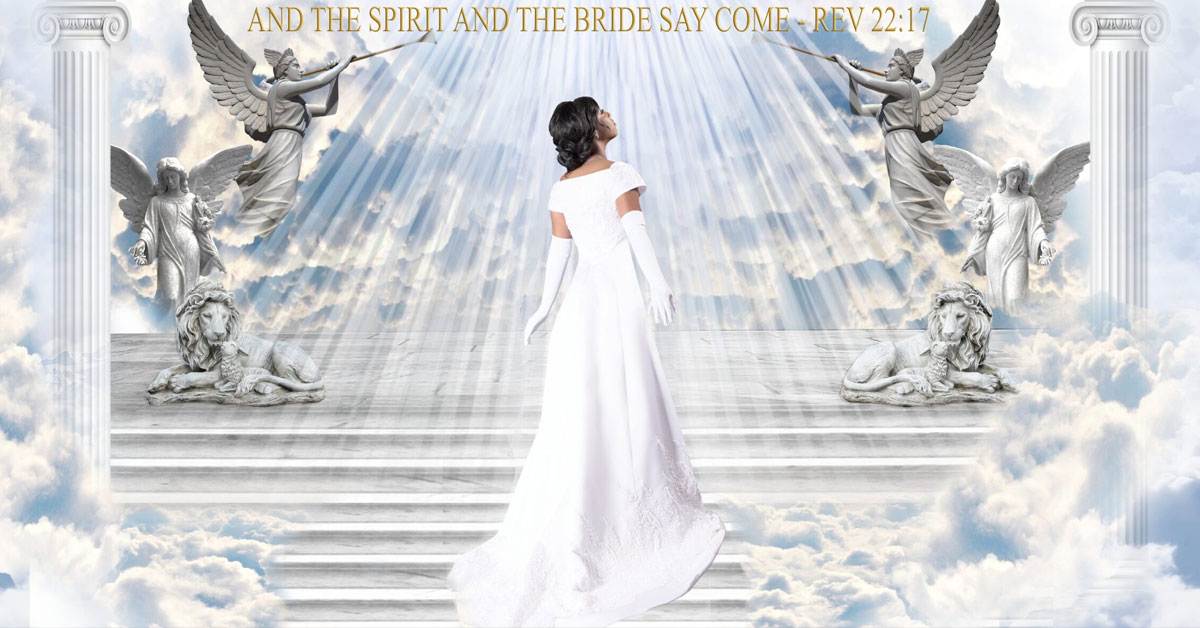
One of the most beautiful truths in the New Testament is that Jesus is not only our Lord and Savior — he is also our brother, a family relationship established through Jesus’ sacrifice and the gift of the holy spirit. The Apostle Paul explains that believers receive a “spirit of adoption,” allowing us to cry out, “Abba, Father!” just as Jesus did (Romans 8:15). Because we share the same Father, Jesus becomes our elder brother.
Paul goes even further in Romans 8:29, saying that Jesus is the “firstborn among many brethren,” and that those who follow him are being shaped into his likeness. This is why Scripture calls us “joint?heirs with Christ” (Romans 8:17) — we are promised a share in his glory and in his future work of reconciling the world back to God.
This family relationship becomes even clearer after Jesus’ resurrection. Before his death, Jesus often referred to his disciples as servants, and later as friends. But something changed after he rose from the dead. For the first time, he called them “my brethren.” When he appeared to Mary Magdalene, he told her, “Go to my brethren and say to them, ‘I ascend to my Father and your Father, and my God and your God’” (John 20:17). That moment signaled a profound shift — his resurrection opened the way for his followers to enter the same family relationship with the Father that he himself enjoys.
But for Jesus to truly be our brother, he had to share our nature and our experiences. Hebrews tells us he was “made like his brethren in all things” (Hebrews 2:17). He set aside his heavenly glory where he lived as the “Logos” (the Word) since God first created him and took on human flesh so he could walk the same path we walk. Hebrews 2:11 adds that he is “not ashamed to call [us] brethren,” because both he who sanctifies and those who are sanctified come from “one Father.” And because he suffered, was tempted, and endured the full weight of human weakness, he became a sympathetic High Priest — someone who understands us from the inside out and can help us in every trial (Hebrews 4:15–16).
It’s important to recognize, though, that this brotherhood has a specific scope in the present age. While Jesus died as a ransom for all (1 Timothy 2:6), the Scriptures describe the “church of the firstborn” (Hebrews 12:23) as a select group — those who faithfully follow him now under difficult conditions. These are the ones being prepared to serve as “kings and priests” with Christ in the coming kingdom (Revelation 20:6). In the future, all humanity will be restored and become God’s earthly sons, just as Adam was originally created to be. But the privilege of being called a brother of Christ — of sharing his nature, his sufferings, and his inheritance — is reserved for those who walk the narrow way with him in this Gospel Age.
Related Questions
July 27th 2026 | 1359 views How can I grow in the spirit of a sound mind? How can I have the mind of Christ?
August 12th 2022 | 68690 views Is saying, "Oh my God" OMG) a sin?
July 15th 2019 | 41122 views If hatred is not a virtue, why does it say in Ecclesiastes 3:8 "There is a time to hate?" Why does Christ say in Luke 14:2: "If any man come to me and HATE not his father and mother, and children, and brethren, and sisters, yea and his own life also, he cannot be my disciple?"
August 01st 2014 | 40062 views Why did I live through my wreck?
April 28th 2018 | 40751 views Is tithing relevant today?
November 07th 2017 | 40977 views What are the daily role(s) of a genuine Christian? (Malawi)
November 20th 2021 | 82225 views What does God word say about people who they think they are transgender? Verses?
January 07th 2019 | 40241 views